Trauma Recovery & EMDR
Support for distressing memories, trauma-related symptoms, and the lasting effects of painful experiences. EMDR may be incorporated after collaborative assessment, preparation, and discussion of treatment goals.

Virtual Therapy for Women in Texas
Terapia virtual en español e inglés
A grounded approach to emotional well-being — where compassion, self-awareness, and connection create room for growth.

I'm Yuliria Figueroa Colón, Psy.D., LPC, founder of Airy Healing Arts and a bilingual Licensed Professional Counselor in Texas. With more than a decade of experience in trauma-focused mental health care, I offer individual virtual therapy to adult women throughout Texas.
My clinical work has included supporting individuals affected by trauma, interpersonal violence, anxiety, and difficult life experiences. I recognize that many women carry multiple responsibilities while managing emotional exhaustion, relationship concerns, questions about self-worth, and the impact of earlier experiences.
My approach is warm, collaborative, culturally responsive, and guided by your goals and readiness. I integrate EMDR, Cognitive Behavioral Therapy (CBT), mindfulness, somatic awareness, and expressive techniques when appropriate. Together, we can explore experiences and patterns, build emotional regulation skills, strengthen boundaries, and create space for meaningful change.
As a bilingual clinician with roots in Puerto Rico, I value the role of language, culture, family, and identity in the healing process. My goal is to provide a compassionate space where your story is respected and your voice matters.
Learn More About Me ↗Individual online therapy for adult women, tailored to your story, current needs, and personal goals. Services are available in English and Spanish for clients located in Texas.
Support for distressing memories, trauma-related symptoms, and the lasting effects of painful experiences. EMDR may be incorporated after collaborative assessment, preparation, and discussion of treatment goals.
Explore anxious thoughts, overwhelm, work-life demands, and emotional exhaustion. Learn coping skills, grounding practices, and strategies that support daily functioning.
Build a more compassionate relationship with yourself while addressing self-criticism, people-pleasing, perfectionism, identity, and transitions across adulthood.
Explore relationship patterns, communication, personal boundaries, and the effects of unhealthy dynamics. Practice recognizing your needs and expressing them with greater clarity.
Navigate change, grief, shifting roles, or uncertainty with support that honors your values, strengths, and lived experience.
When helpful, incorporate mindfulness, reflective writing, and creative activities to build self-awareness and explore emotions in ways that do not rely only on words.
Your experiences, strengths, and goals shape the therapy process. I integrate evidence-based approaches and supportive techniques to help you understand patterns, build coping skills, and work toward change. Every treatment plan is individualized, collaborative, and adapted to your readiness.
EMDR is an evidence-based, structured psychotherapy used to treat trauma-related symptoms and distress connected to difficult life experiences. Sometimes a past experience continues to influence how we feel about ourselves, respond to situations, or experience safety—even when we understand intellectually that the event is over. EMDR helps the brain reprocess distressing memories so they may become less emotionally intense and disruptive in the present. It does not erase the memory or require you to forget what happened. Treatment follows a carefully paced, eight-phase process. We begin by understanding your history, current symptoms, goals, and readiness. Before any memory reprocessing, we develop grounding, emotional regulation, and stabilization skills. When appropriate, we identify a specific memory, associated beliefs, emotions, and body sensations. Bilateral stimulation—often guided eye movements or alternating taps—is used while you briefly notice aspects of the experience. We then check for changes in distress, more adaptive beliefs, and physical responses. You remain in control throughout the process. EMDR is not hypnosis, and you do not have to share every detail of an experience aloud. Not every session involves reprocessing; preparation, safety, and integration are important parts of the work. We decide together whether and when EMDR is a good fit for you.
Cognitive Behavioral Therapy (CBT) is an evidence-based approach that examines how thoughts, emotions, physical responses, and behaviors influence one another. When we experience anxiety, shame, self-criticism, or stress, certain patterns of thinking and reacting can intensify distress or make it harder to respond in ways that support our well-being. CBT helps us recognize these patterns without blaming ourselves for having them. In therapy, we may identify automatic thoughts, examine how helpful or accurate they are, and practice developing more balanced perspectives. We can also explore avoidance, perfectionism, people-pleasing, and other behaviors that may offer short-term relief but contribute to ongoing difficulties. Depending on your goals, sessions may include coping strategies, problem-solving, gradual behavioral changes, and skills to respond differently to challenging situations. CBT is collaborative and practical. It is not about forcing positive thinking or dismissing real pain. Instead, it helps you build awareness, expand your choices, and apply useful skills between sessions at a pace that respects your experiences.
Mindfulness is the practice of paying attention to the present moment with curiosity and without unnecessary judgment. In therapy, this may mean learning to notice thoughts and emotions as they arise, rather than immediately reacting to them or trying to push them away. Practices may include brief breathing exercises, sensory grounding, and mindful observation, always adapted to your comfort and preferences. Somatic awareness complements this work by helping you notice physical signals linked to stress and emotion, such as tight shoulders, a racing heart, changes in breathing, or a sense of heaviness. Understanding these responses can support earlier recognition of emotional activation and help you choose a response that feels steadier and more intentional. We may explore gentle grounding, noticing areas of comfort in the body, and movement or relaxation when appropriate. These practices are not about forcing yourself to relax or interpreting every sensation as trauma. You can keep your eyes open, pause, or choose another exercise at any time. The goal is to support emotional regulation and a more respectful connection with your body.
Some feelings and experiences are difficult to describe with words alone. Expressive techniques create additional ways to explore what you are going through while remaining connected to your treatment goals. Depending on your interests, we may use journaling, guided reflection, drawing, visual metaphors, imagery, or simple creative exercises to explore emotions, beliefs, relationships, values, and personal strengths. For example, a drawing might help you represent an emotion that is hard to name, or a written reflection may help organize competing thoughts and recognize what you need. Creative exercises can also support self-compassion, emotional expression, and reflection between sessions. You do not need artistic experience or skill, and there is no right or wrong way to participate. These activities are optional, used collaboratively, and integrated with clinical psychotherapy rather than presented as a substitute for evidence-based treatment. The purpose is not to analyze your artwork or judge its quality, but to help you understand and express your own experience.
Many women are carrying the weight of work, caregiving, relationships, and expectations. Therapy can offer space to reflect, understand patterns, and nurture your own emotional needs.
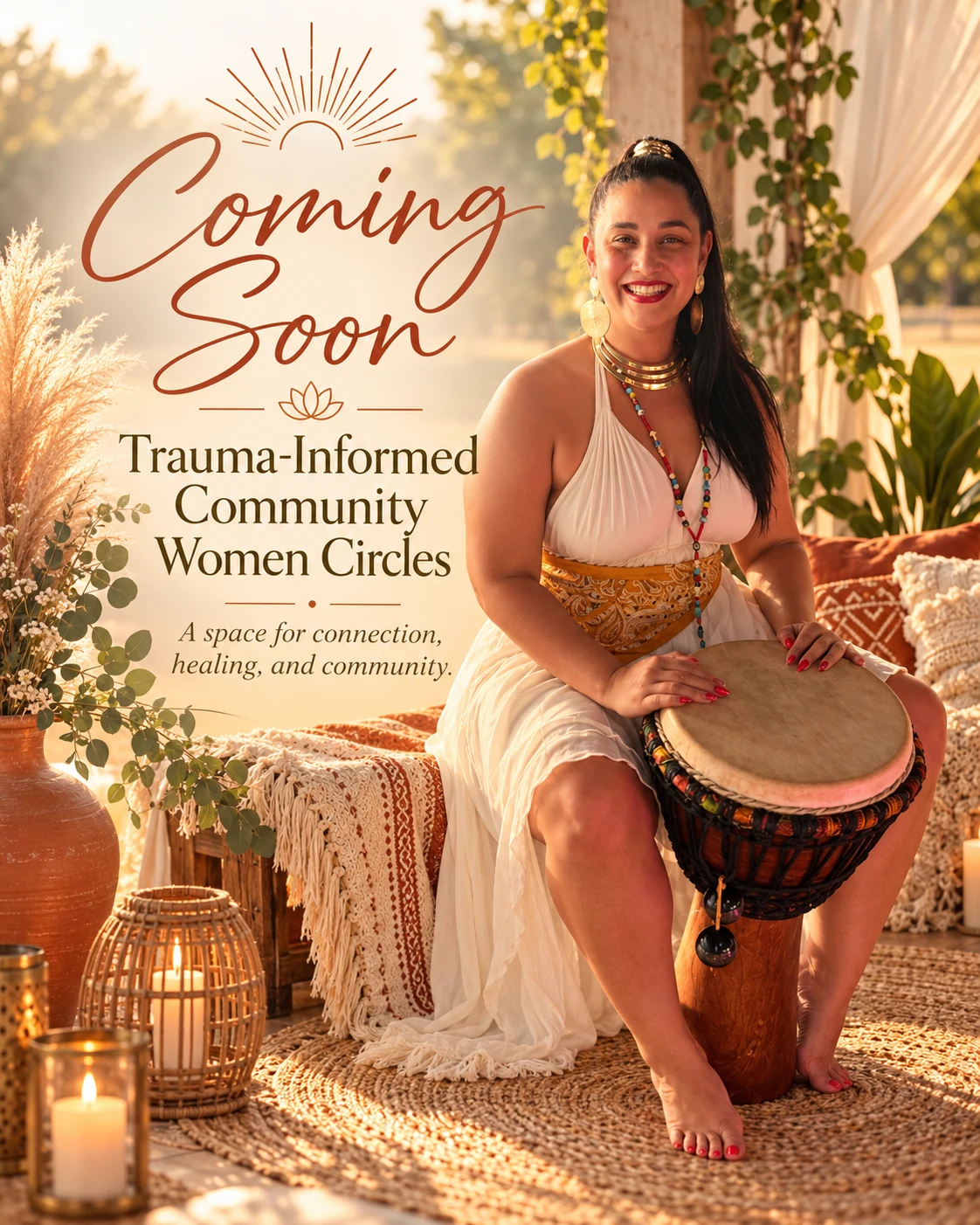
A welcoming, trauma-informed community gathering in Houston, Texas, designed to foster connection, reflection, creativity, and a sense of belonging among women.
Together, we will explore gentle grounding, mindful moments, creative expression, and supportive community practices. Details and dates will be announced soon.
These circles are community wellness gatherings and are not group psychotherapy or a substitute for mental health treatment.
Inquire about the circles →Get to know my experience, approach, and specialties.
Check available appointments and your insurance details through the booking platform.
Meet through secure telehealth from a private location within Texas.
Select insurance plans may be accepted. Visit my Headway profile to check participation, eligibility, fees, and appointment availability. Coverage varies by plan.
No. Airy Healing Arts provides virtual individual therapy for women located in Texas.
Yes. Sessions are available in English and Spanish.
Yes. EMDR is one of the approaches I integrate when clinically appropriate. We can discuss whether it may be a good fit for your goals.
Use the Headway booking link to review available plans and verify your coverage and out-of-pocket costs before your visit.
When you're ready to take the next step, I'd be honored to support you.